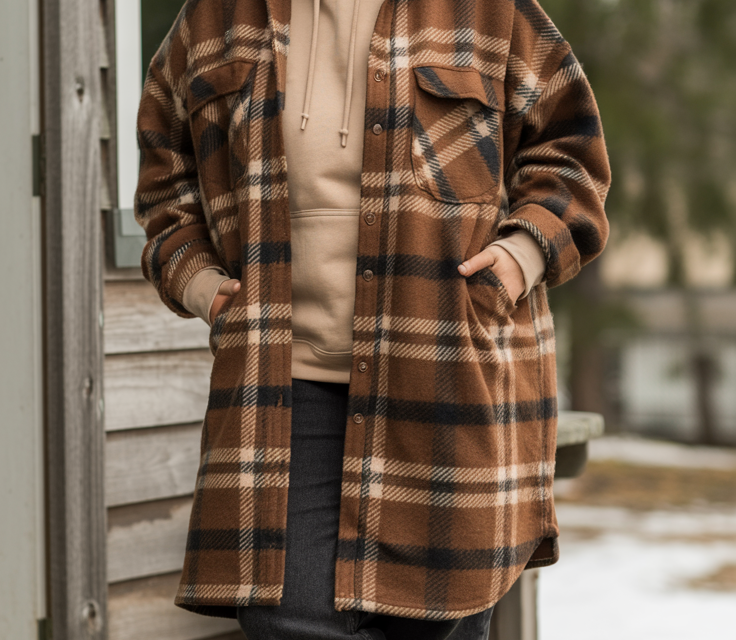
The cold-weather outfits of women during winter- your ultimate style guide to 90 outfits. Fall and winter are upon us.
Female winter clothes do not imply compromising style. When it gets cold many women are compelled to decide between keeping warm and being fashionable.
You can get it all, and I will demonstrate to you. The key to a working winter wardrobe is smart layering, the appropriate fabrics, and versatile items.
The Importance of Winter Fashion to Us Than We Think.
You will be sure you will feel good throughout winter even when the weather is not good. Going out dressed up and others looking like they have just woken up can be very empowering.
Winter clothes are also photographed well. Social-media photos with neutral backgrounds, warm textures, and bright colors are very impressive.
How to Build a Winter Capsule Wardrobe.
Essential Outerwear Pieces
The most important investment is a good winter coat. It will be used every day in months, and hence it should be good.
The following are the coats that every woman must have:
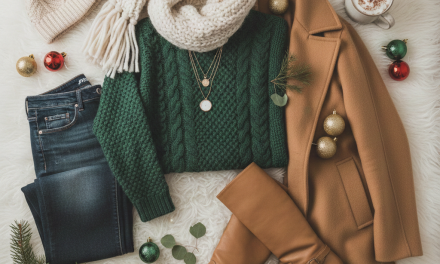
Traditional camel or black long-wool coat- matches with jeans or dresses.
Puffer coat in the required length- our favorite high-performance puffer.
Leather jacket or faux-leather jacket- very convenient during the transition period and can be easily layered.
Removable-lining trench coat-gives you as long a season as you can have.
The Layering Foundation
Warmth begins in base layers. Leave this out, and no heavy coat will make you warm.
Stock your drawer with the following necessities:
Neutral long-sleeve thermal tops.
Black, cream and gray turtlenecks.
Camis made of silk or synthetic-blend to provide additional insulation.
Snug jeans that are like regular jeans.
Versatile Mid‑Layers
You wear sweaters and cardigans in winter. Experiment with textures, colors, and fits.
My go‑to mid‑layer pieces:
Large oversized cable-knit sweaters.
Curved-edge turtlenecks – perfect thickness.
Cashmere or merino wool pullovers.
Long cardigans which can be used as a coat.
Unexpected layering sweater vests.
Winter Wear Woman Cold Weather Outfit Combinations 30+.
Classic Professional Looks
Winter wardrobes in an office need to be planned. You must keep yourself warm during the commute and not to overheat in the house.
Outfit 1: The Power Player – a fitted turtleneck under a custom-made blazer, wool pants, and leather ankle boots. A longer wool coat and a structured handbag will make you look powerful.
Outfit 2: Business Casual Refined- combine a cashmere crewneck with a collared shirt with dark jeans and loafers. Wear a camel coat and a leather bag on top.
Outfit 3: Chic in a Meeting – a silk blouse and a knit pencil skirt, opaque tights and heeled boots. Define the waist with a belted wool coat.
Weekend Casual Comfort
Winter clothes must be casual and not sloppy.
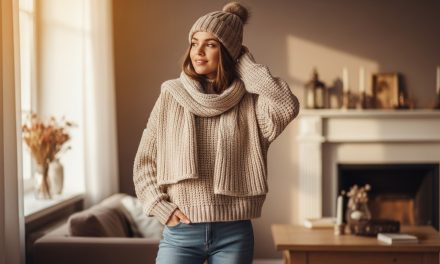
Outfit 4: Coffee Run- an oversized sweater, leggings with a fleece lining, and sneakers. Put on a favorite puffer jacket and a beanie to get a cozy feel.
Outfit 5: Shopping Day- straight-leg jeans, a fitted turtleneck, and combat boots. Wear a teddy coat to keep warm.
Outfit 6: Brunch Ready A cozy sweater dress, high boots, and tights. A cardigan is long and gives the cardigan volume.
Date Night and Evening Outfits.
Winter date nights require coziness without losing romance.
Outfit 7: Dinner Date- a midi skirt made of velvet or satin, a tight turtleneck, and heeled boots. Add a fake fur coat to be glam.
Outfit 8: Cocktails- leather pants, silk camisole and a blazer. Full of ankle shoes and a show coat.
Outfit 9: Theater Night: wide-leg tailored trousers, a high-end knit and pointed-toe heels. Slip over the outfit your best coat.
Athleisure and Active Looks
The most appropriate winter athleisure will make you warm when doing exercises and shopping. The secret lies in not being overtly gym-clothes.
Look 10: Gym to Grocery a pair of leggings-sports-bra, oversized hoodie, and cropped puffer. Finish with chunky sneakers.
Look 11: Life of an Active Mom joggers, fitted long-sleeve tee, and a quilted vest. Add school drop-off sneakers.
Look 12: Weekend Warrior – ribbed thermal leggings, a long-line sweatshirt and a puffer jacket. Wear with supportive running shoes.
Learning the Cold Weather Layering Techniques.
The Three‑Layer System
Layers trap warm air and moisture is removed off the skin. The majority of individuals dress up in a wrong way, and they become either sweaty or frozen.
Base Layer: This is the one that is nearest to the skin and it has to wick moisture. Use synthetic or merino wool instead of cotton.
Mid Layer: Insulates and traps hot air. Down, thick knots, and fleece fit here.
Outer Layer: This is a shell that keeps out the wind and water and is breathable. Your coat fulfills this role.
Temperature‑Specific Layering
Mild Cold (40‑50°F):
Light base layer
Medium‑weight sweater
Trench or light coat
Moderate Cold (25‑40°F):
Thermal base layer
Thick sweater or fleece
Insulated coat
Extreme Cold (Below 25°F):
Heavy thermal base
Thick insulating mid‑layer
Heavy coat of down or synthetic-fill.
How Not to Freeze Winter Material Guide.
Natural Insulating Fibers.
Synthetics do not breathe well and regulate temperature as well as natural materials.
– Wool: Wicks and keeps warm; merino is non-slippery and non-itchy.
– Cashmere: Coziness and comfort; a long-term investment.
– Down: The highest warmth to weight ratio; high fill is the most insulating.
Synthetic High-Performance Options.
Synthetic materials are now imitating natural insulation, and they are waterproof.
Key synthetic fabrics:
– Fleece: Lightweight, fast-drying, warm.
– PrimaLoft: Warm when wet.
– Thinsulate: Bulk-free thermal.
– Poly-cotton blends: Strong and cheap.
Winter Wardrobe Color Palettes.
Traditional Neutral Foundations.
Neutrals make it easier to mix and match, and provide more outfit combinations out of less.
Neutrals that are necessary: Black, camel/tan, gray, navy, and cream.
Seasonal Accent Colors
Winter dressing is made fun with a pop of color. Avoid all‑black looks.
– Burgundy, wine
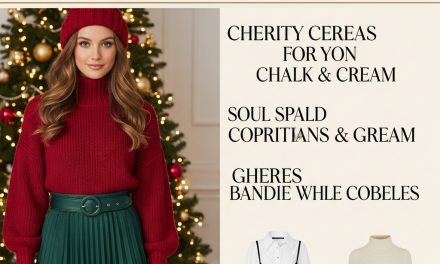
– Forest and emerald green
– Deep purple, plum
– Rich chocolate brown
– Burnt orange, rust
Winter Outfit Accessories.
Scarves That Make a Statement.
Plain outfits can be turned into beautiful ones with the help of a beautiful scarf.
Types of winter scarves:
– Large blanket scarfs retain warmth.
– Cashmere wraps for elegance.
– Infinity scarfs to wear anyhow.
– Patterned coat silk scarfs.
Hats That Actually Look Good
Most women believe that hats are not pretty, but the appropriate style can fit any face.
Hat styles:
– Slouchy oval or heart face hats.
– Round or angular face berets and caps.
– Felt wide‑brim hats for drama.
– Trapper hats to keep off serious cold.
Gloves and Hand Warmth
The first thing is cold hands, buy quality gloves.
Options:
– Style lined with leather or cashmere.
– Smarts gloves to use the phone.
– Mittens for maximum warmth.
– Fingerless outdoor-indoor transition gloves.
Winter Footwear Strategies
Boots for Every Occasion
Boots are winter outfits and they endure different weather.
Essential boot styles:
– Ankle booties: Reveal a little leg; leather or suede, with short heel.
– Knee-high boots: Flattering fit; works well with skirts or tight jeans.
– Combat shoes: Add edge and traction; combine with ladylike items.
– Snow boots: When there is a real snow day; look at waterproofing and solid insulation.
Transitional Shoes
Boots are not worn the whole day, all year round. Mix in other options.
Smart winter shoe choices:
– Business casual loafers and socks.
– Oxfords for preppy polish.
– Little booties for mild days.
– Casual weekend sneakers.
Low-cost Winter Shopping.
When to Buy for Best Prices
Buy in bulk to save; at some times of the year, winter clothes are layered.
Best deals: Jan-Feb (50-70 percent clearance), Black Friday (new merchandise on sale), After Christmas (store clearance), End-season summer sales (deep discounts).
High vs. Low Investment
Choose several important things and change the rest of the pieces to winter.
Worth spending money on: Winter coats, layered skiing boots, leather gloves.
Discount on: Thermal base layers, trendy scarves/beanies, ankle socks, tights.
Winter Fashion Choices that are sustainable.
Build a timeless wardrobe. The cost of fast fashion is very high in terms of environmental and ethical cost. Buy less, buy better.
Green shopping policies:
– Select traditional fashions instead of fads.
– Purchase good items that are timeless.
– Reuse and recycle what you possess.
– Buy second hand to find something special.
– Support ethical brands.
Care and Maintenance
Wear life is increased through proper care. Washing and improper storage are the causes of damage.
Garment care basics:
– Wool coats are dry cleaned after every season.
– Wash cashmere by hand or a delicate cycle.
– Keep off moths with cedar blocks.
– Waterproof boots at the beginning of the season.
– Air out items between wears.
Packing for Winter Travel
Maximizing Limited Luggage
Winter clothes are heavy; packing smart results in space-saving.
Smart packing tips:
– Pack the heaviest things in the plane.
– Have neutral mix-and-match schemes.
– Use thin layers rather than single thick pieces.
– Fill convertible shoes that suit any appearance.
– Fill sweaters in compression bags.
Outfit Planning for Trips
Packing Before you pack, plan to avoid excess.
Travel outfit formula:
– 3-4 bottoms in matching colors.
– 5‑6 tops that mix and match
– 2 pairs of shoes maximum
– 1‑2 outerwear pieces
– Accessories to vary appearances.
Season Changeover.
Early Winter Dressing
Transit between fall and winter using versatile items.
Transitional pieces:
– Coat under-jackets made of leather.
– Medium‑weight sweaters
– Booties for versatile wear
– Easy‑remove scarves
Late Winter Into Spring
In February, winter clothes can be too much in spring.
Bridge season strategies:
– Light coats in in-between colors.
– Knits rather than oversized sweaters.
– Replace loafers or oxfords with swops.
– Add brighter accent colors
Mistakes in Winter Dressing.
Excessive Dressing in Temperature.
Excessive layers can result in sweating and chilling of the sweat. Target a comfortable exit temperature.
Signs of overdressed:
– Sweating in 5 min. outside.
– Nude at home all the time.
– Claustrophobic in clothes.
– Sweating during light exercise.
Ignoring Extremities
Feet, hands, and head lose heat the most quickly. Cover them properly.
Don’t forget:
– Warm hat covering ears
– Insulated gloves or mittens
– Wool socks in proper boots
– Scarf of neck and face protection.
Making Fashion More Than Functional.
Balance style and function.
Function‑first fashion:
– Shoes that keep off the rain.
– Basic shoes to use on sensible occasions.
– Keep extra layers in the car
– Opt for coats that zip
Dressing to suit the various body shapes.
Petite Winter Dressing
Winter dresses can be dwarfed by thick winter clothes. Focus on proportions.
Petite styling tips:
– Fitted base layers
– Avoid oversized items
– Opt for shorter coat lengths
– Use only monochromatic color schemes.
Plus‑Size Cold Weather Style
Warm without the need to be bulky.
Flattering strategies:
– Define waist with belts
– Customized coats rather than shapeless coats.
– Stratify without stacking.
– Invest in good foundation layers.
– Accept aggressive colors and patterns.
Tall Women’s Winter Fashion
Long women require long-fitting items.
Solutions:
– Find tall section tailoring.
– Experiment with cropped lengths to regular proportion.
– Add length to the layer cuts.
– Wear midi and maxi lengths.
Winter Makeup and Hair Tips
Makeup That Survives Cold
Makeup is torn off by wind, cold and heating.
Cold weather makeup tips:
– Primer holds everything in position.
– Waterproof eye mascara.
– Lip balm before lipstick
– Powder and setting spray
– Blotting papers of overheated buildings.
Protecting Your Hair
Hair can be destroyed by hats, scarves and statical. Use these tricks.
Hair protection methods:
– Leave-in conditioner prior to going out.
– Satin‑lined hats
– Anti‑static spray
– Do not over-wash during dry seasons.
– Deep condition weekly
Conclusion
Winter outfits cold weather clothes What to wear in winter women winter outfits cold weather clothes.
A couple of clever items and strategizing will do to beat the snow and the biting winds. It is easy to create an infinite number of outfits with a small wardrobe consisting of good outerwear, supportive boots, and versatile layers. Be comfortable but trendy- the correct clothes make you feel confident and raise your spirits.
Frequently Asked Questions
What is the warmest cloth to wear in winter?
Down insulation has the highest warmth to weight ratio. Merino wool is suitable in bottom and middle layers, and cashmere is a luxury. In the case of extreme cold, Thinsulate or PrimaLoft in coats and boots should be considered.
What is the number of layers to be worn in cold weather?
The three-layered system underlay, insulating middle-layers, and shielding outer-layers are perfect. Correct activity level and temperature.
Is it acceptable to wear dresses and skirts during winter?
Absolutely. Wear pair midi or maxi skirts with fleece lined tights or thermal leggings and knee high boots to keep warm. Wear more serious materials such as wool or corduroy.
Which length of winter coat is the most versatile?
The most versatile coat is one that reaches mid-thigh to knee. It fits pants, skirts, and dresses, and is convenient in driving.
What shall I do to be warm and not fat?
Select thin yet warm bottoms like merino wool or silk. Wear fitted items and overlay with a shapeless outer garment.
Which shoe is better to wear in winter than boots?
Business casual can be done with leather loafers or wool socks. Brogues and oxfords deal with moderate cold. The closed-toe mules are appropriate to indoor-outdoor transitions. Squashy sneakers make feet warm and adorable.
What is the frequency of washing winter clothes?
Wash base layers following usage. Wear sweater 3-5 times without washing unless sweaty. Wash coats once or twice a season. Allow things to air between wears to extend quality.
How can winter clothes be best taken into spring?
Substitute thick winter clothes with the light versions of the same-thin sweaters, light coats, ankle boots. Add lighter colors and layer more when temperatures are higher.