
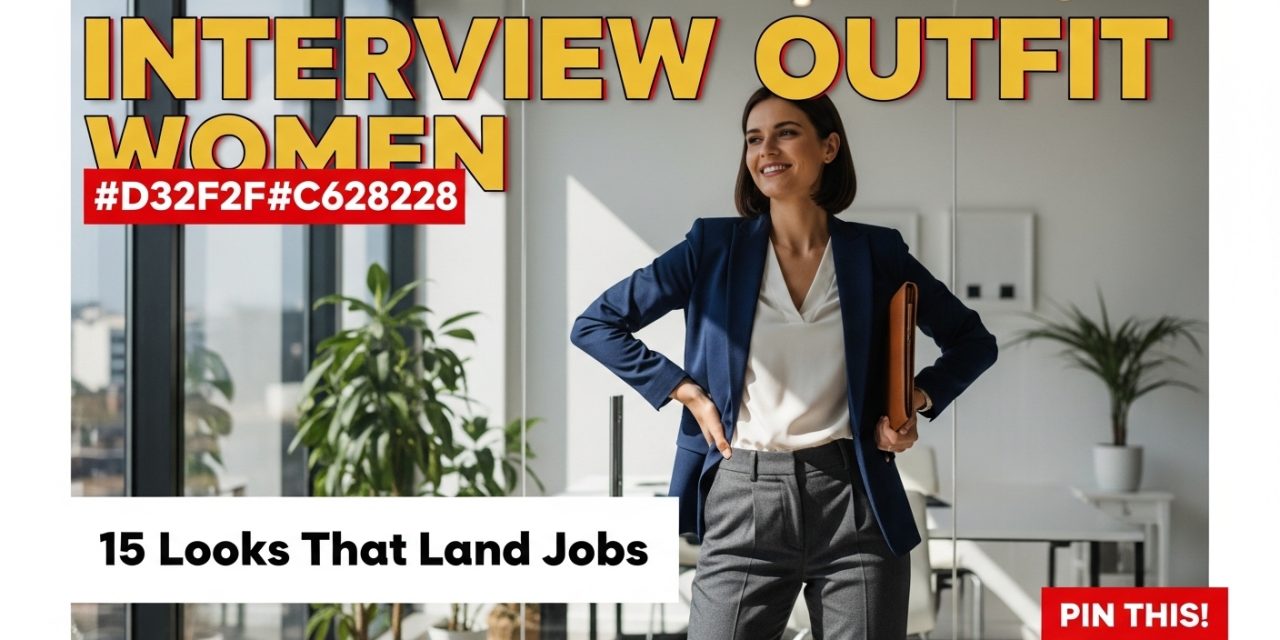
Interview Outfit Women: 15 Power Looks That Do Get You Hired.
Dressing up to an interview isn’t a matter of clothes–it is armour. Before you can open your mouth, what you wear is already in that room.
I have seen friends who nail interview in flawless outfits and fail it in some expensive designer outfits that simply did not fit properly. The difference? Trust coupled with befitting fashion decisions.
In 2026, the process of job hunting will not be the same as it was just two years ago. There are those companies that still desire the traditional suit, and those that are practically demanding that you present yourself in jeans and blazer.
This is all I have studied about how to dress to an interview, whether it is in a corporate law firm or a creative start-up.
The Importance of Your Wardrobe (More Than You Think)
You’ve got seven seconds. That’s it.
Seven seconds are all that it takes before one can make a decision on whether you are competent, trustworthy, and worth his or her time. You may have the best resume but with your dress shouting that you have just got out of bed, you are climbing the hill.
This has been supported in studies- dressed candidates are 70 percent more likely to receive positive first impressions. But the definition of appropriate varies according to the place you are interviewing.
I found this out the hard way, as I came to an interview in a full suit in a startup. All other people were in Allbirds and hoodies. I was hired, and they informed me that I appeared to be stiff initially.
The Power Suit of the Corporate Baddie.
Corporate baddie appearance is coming back and frankly, I am all over it. It is not your moms ugly pantsuit but rather custom made, it is assertive and it is business time.
Begin with a suit which was made to fit. Navy, charcoal or black, but by no means sleep on deep burgundy or emerald green, which is more your style.
What makes this look work:
Structured blazer in the shoulders.
Trousers that fit around your waist.
Silk cami under (not a button-down)
Heels that make you feel strong and tall.
Gold jewellery–be plain but there.
Take your hair back, in a low bun or slick ponytail. There should be makeup but not distracting.
This appearance is practical since you are borrowing the conventional business attire and customizing it. You appear professional, yet somebody who gets things done.
Want more outfit ideas that more closely resemble the way women dress today? See these contemporary business attire.
Navy power suit, professional woman.

Conventional Business Professional (When You Have to Play It Safe)
The safest bet of conservative industries is business professional outfits among women. I am referring to finance, law, corporate consulting–where tradition still counts.
This is the clothing counterpart of a strong handshake and eye contact. No floundering, but good professionalism.
The classic formula:
Fitting suit in dark only.
white or light blue button-down shirt.
Closed-toe heels (2-3 inches max)
Leather bag or portfolio
Pearl or diamond studs
Your hair should be tidy. Makeup must not proclaim, but should improve.
I put on the same dress to a banking interview and had the feeling that I was playing dress-up. But guess what? It worked. It happens that you must go as far as people are.
The advantage of this conventional method is that no one can criticize you about it. You are fulfilling all their boxes.
Business Casual (In the New Workplace).
Women used to wear business casual outfits that consisted of khakis and a polo shirt. It is a good thing we are no longer in that.
The current business casual does not look bad. It is very useful with technology firms, creative agencies and second-round interviews at establishments that were not quite as formal as you had imagined.
How to nail it:
Customized pants (not jeans) in neutral colours.
Nice sweater or blouse
Blazer would you like additional polish?
Loafers or low heels
Minimal jewelry
The trick is quality. Even your casual wear must appear purposeful and high quality.
I attended an interview in a marketing agency in a black pair of pants and a camel sweater. Added a blazer just in case. Removed it in the lobby where I noticed what other people wore. Perfect call.
Business casual will allow you to express yourself and be professional at the same time. Better styling tips that work? Right here.
Female in cream sweater and beige trousers.
Business Casual Clothes that Travel Well.
Corporate women wear clothes that are based on the needs to travel. You may interview at three different places within a week- your outfit must suit each of them.
This has to do with creating a wardrobe of clothing that mixes and matches without much thought.
Core pieces you need:
One perfect sheath dress
A single blazer that fits very well.
Black and one other neutral quality pants.
Professional shoes that are comfortable.
A watch that looks expensive
Select clothes that do not wrinkle. I discovered this when I spent 20 minutes in my car waiting to attend an interview looking as though I slept in my clothes.
Corporate dressing is actually forgettable in a good sense. No one will remember your dress–they will remember you.
Lawyer Outfit (To greatest possible power)
The attorney suit is conservative to the highest extreme. This is what you wear in case of an interview in a law firm or any other place equally formal.
I know a friend who is a corporate attorney. Her interview outfit? Black trousers, white shirt, good heels. That’s it. No variation, no creativity.
The legal standard:
Dark suit only (navy or black)
White dress shirt
Conservative shoes
Leather briefcase
Minimal jewelry
Hair pulled back or cut short. Nails neutral or clear. No perfume.
Sounds boring, right? In the law circles, however, boring is professional. You are demonstrating that you are not ignorant of the culture, and you will not humiliate them in front of the clients.
Such formality is transferred to other conservative domains as well, such as think accounting, government, traditional banking.
Timeless Style Classy Business Outfits.
Business attires are classy and will never go out of style. These are the appearances that you find in the old movies that still appear modern.
The secret? Quality over trends. A good article five years old is better than last-week fast fashion.
Building timeless looks:
Pencil skirt in good fabric
Silk blouse in cream or blush
Classic blazer
Leather pumps
Pearl accessories
Three years ago I spent money on a nice wool pencil skirt. Continue to wear it to key meetings. Still looks new.
Classic does not imply old fashioned. It translates to smart decisions that will not wear out their welcome in pictures five years down the line.
Classic works simplify the process of dressing. It all fits together since you have made a wise choice.
Want more pieces that last? These suggestions of outfits are quality oriented.
Feminine lady in pencil dress and silk top.
Fancy Classy Dresses (High-end Style)
Bringing sophistication without being overly pushy are elegant classy outfits. This is excellent in terms of leadership and front line jobs.
Elegance is about restraint. It must appear like it came naturally though you may have taken 20 minutes to have it perfect.
Creating elegant looks:
Slightly A-line midi skirt.
Fitted turtleneck or mock neck.
Long blazer or coat
Pointed flats or low heels
Delicate gold jewelry
I admire monochrome in elegance, all navy, all gray, all cream. It is sophisticated but not monotonous.
The sophisticated style makes you a person with good taste. That is important in the industries where business depends on the perception of the clients.
Fashionable Business Clothes (Business Casual)
Cool exercise clothes will make you feel that you can be fashionable and also at work. This is the category that I personally favor.
You do not necessarily need to dress like every mom in 1995. Contemporary workplaces value individuals who are aware of the modern style.
Modern professional pieces:
Straight-leg pants in new styles.
Blazer (not too cropped)
Quality basic tops
Shoes that are fashionable and work-related.
Current accessories
The key is one trend at a time. Trendy pants? Hold everything else traditional. Statement shoes? Simple outfit.
Last year I went to an interview with wide-leg pants. Added a fitted white shirt and blazer to them. Received compliments and offer of job.
Style demonstrates that you are culturally conscious. You know what is going on in the surrounding world.
Smart Casual Work Outfit (The New Standard)
The default in the work places has been taken over by smart casual work outfit women. It is not too formal and at the same time professional.
This type needs the greatest consideration. Too informal and you look untidy. Too serious and you appear out of date.
Getting the balance right:
Nice jeans or chinos (be familiar with your industry)
Blazer in a nice colour.
Knit dress with cardigan
Ankle boots of leather or nice loafers.
Structured bag
Here take care about grooming. Smart casual can only be successful when all other elements are perfected.
I now wear smart casual when attending meetings with clients. It helps to make people more at ease yet demonstrates to them that I am serious about what I am doing.
This style demonstrates that you are able to read situations and be adaptive. That’s valuable in any role.
Looking for additional smart casual ideas? These are all-purpose appearances that can be used in different environments.
Fashionable Work Wear (Personality Meets Professional)
It is in fashionable work clothes that you can really make yourself felt. This is not only professional clothes but professional fashion.
The objective is purposeful. No piece of art should appear to be picked randomly.
Making it work:
Co-ordinated complementary color separates.
Funny materials such as jacquard or tweed.
Basic foundations of quality.
Shoes that make a statement
Accessories that narrate the story.
Color matters here. Navy says trust me. Burgundy says I’m ambitious. Gray says I’m balanced.
One of my burgundy blazers is the most complimented item I have. It is business yet catchy.
Fashionable dresses make interviewers not forget you. The woman in the great burgundy blazer beats that woman who interviewed on Tuesday.
Business lady in matching burgundy suit.
The Monochrome Power Move
One-color head to toe is trending. And honestly? It simplifies the dressing code so much.
Women who wear interview outfits adore this trick since it appears costly and deliberate without working hard.
Making monochrome work:
Pick one color family
Combine various textures to be interesting.
Vary shades slightly
Add one contrasting accent
Shoes in the color family.
Once, I went to an interview in all gray, brown pants, gray sweater, gray blazer, gray shoes. Added a burgundy bag. Appeared to know what I was about.
Black and white makes your body longer and gives it a modern and editorial appearance. It claims that you are aware of fashion today.
This particularly applies to minimalists who abhor fancy clothing.
The Statement Blazer Strategy.
Everything changes when a great blazer comes. It is the difference between I am wearing clothes and a shirt and I am a professional.
Select one that has intriguing information and ensure it is professional. Special buttons, small print, unconventional color.
Blazer styling rules:
Pair with simple basics
Shoulders should fit faultlessly.
Wear the colors that suit you.
Consider modern cuts
Keep everything else simple
My gold-button navy blazer has more mileage than any other garment that I own. It is worn over dresses, with jeans (on Fridays when it is casual) and, of course, at interviews.
The statement blazer is your new brand. Interviewers recall how that lady who had the incredible blue blazer.
This is particularly effective in creative industries in which personality is important.
Don’t Sleep on Accessories
The accessories will either ruin or complete your appearance. They are the details that demonstrate that you are paying attention.
Smart accessory choices:
Genuine leather bag or portfolio.
Real watch (not a smartwatch on formal interviews)
Little jewelry that does not create noise.
Professional glasses, in case you have them.
Belt matching your shoes
Do not want what rattles with your movement. The accessories you wear are supposed to complement, not to distract.
Less is more here. A single quality watch wins three low budget bracelets each time.
I once had a job interview with a person who had the best earrings perfect, simple and gold. I can remember nothing more about her clothes, though I recall my opinion that she was stylish.
Additional comprehensive professional styling advice? Check these out.
A Dress Is the Answer Sometimes.
A good dress gets rid of any coordination stress. One piece, add blazer, done.
Wrap dresses, sheath dresses, A-line dresses are all great. Never leave out a blazer during the interviews though.
Choosing interview dresses:
Hard colors or extremely faint patterns.
Knee length or longer
Cap sleeves or sleeves favored.
Woven material that is shape-retentive.
Nothing tight or revealing
I prefer dresses to interview as I have one less choice to make. My brain space that I save is used to create smart questions.
A dress with blazer is elegant and does not lose authority. Excellent in healthcare, education, hospitality.
You can even do without the blazer in case the situation in the environment becomes less formal than you would have guessed.
Know Your Industry
The interview outfit women strategy on your part must correspond with the interviewing place. The tech companies and law firms can also be other worlds.
Industry breakdown:
Finance/Banking: Full business professional. Dark suits, old-fashioned accessories, nothing fashionable.
Tech/Startups: Casual business. Nice pants with good tops. Blazer Smart but optional to carry.
Creative/Marketing: Be creative with color and accessories. Keep the base professional.
Law/Government: The majority of conservative. Stylish suits, dull colors, sparse everything.
Healthcare: Clean and utilitarian. No hanging jewelry or any inconvenience.
Education: Business casual and friendly atmosphere. Cardigans, loose dresses, comfortable shoes.
I would never miss to visit a company site and LinkedIn prior to an interview. Look at what employees wear. That tells you everything.
Be a little more formal when in doubt. A blazer can always be taken off.
Dressing and Tidying Last Minute.
Your clothing is half the image. The professional package is complete with grooming.
Don’t skip these:
Clean, styled hair
Appropriate makeup
Neat nails in neutral polish
Fresh air, no or light perfume.
Shoes that look new
Lint-free and wrinkle-free clothes.
This information demonstrates that you are concerned with norms. That will make the difference in the way you work.
Look in a full length mirror and check yourself out. Sit on in your outfit to ensure that nothing goes amiss.
I have an emergency kit in my car–lint roller, stain stick, backup hosiery, safety pins. Saved me more than once.
Confidence Beats All.
This is the fact: dress in such a way that you feel like yourself. A costly suit will not be of assistance when you are just not at ease.
It gives one the confidence that they look good and presentable. That cleans your mind to think about how to prove to them that you are the right person.
Test your entire outfit days before the interview. Walk around. Sit down. Make sure it works.
It is not what you call but how you present yourself. The dress only helps your inherent confidence.
I had bombed an interview in a borrowed designer suit because I was a fraud. Nailed the other next in my own cheaper and better-fitting clothes.
Color Psychology Matters
Colors send messages. Knowing this will make you send the right ones.
What colors say:
Navy Blue: Trustworthy and reliable. Good in conservative locations.
Black: Powerful and mature. Great for leadership roles.
Gray: Unbiased and critical. Very good in technical jobs.
Burgundy/Wine: Self-assertive and ambitious. Works for competitive roles.
Camel/Tan: Cozy and friendly. Good for client-facing work.
Avoid bright red (too aggressive), bright yellow (hard to wear in the workplace) and orange (too casual).
Construct with neutralists and add color strategically using either blazers or accessories.
My first actual interview was in navy since it is what my mom told me to wear as it demonstrates trustworthiness. Got the job. Nevertheless, she still wears navy to significant meetings.
You Do Not Have to Spend a Fortune.
Good news: professional will not be costly. This smart shopping creates a fab wardrobe at any cost.
Money-saving strategies:
Invest in one perfect suit
Purchase basic neutrals.
Buy on consignment designer items.
Make everything to fit.
Hire luxury goods on major interviews.
Fit matters more than brand. An expensive ill-fitting $1000 suit will never beat a well-fitted suit of $100.
Make slowly with multi-purpose items. There are fifteen outfits made using three bottoms and five tops.
My whole career wardrobe was constructed through sales and consignments. Nobody knows the difference.
Dress for the Season
The dress that women in interview outfits wear must be compatible with the weather and not affect their professionalism.
Spring/Summer:
Breathable materials such as cotton and linen.
Lighter colors are fine
Layer for air conditioning
Closed-toe shoes still
Only sleeveless under the blazers.
Fall/Winter:
Wool and heavier fabrics
Darker, richer colors
Business suit over your clothes.
Footwear (bring nice shoes) Weather-appropriate.
Smart layering
Always check the forecast. It is not good to arrive after it has rained or snowed leaving yourself disheveled and making it look unprofessional.
I have a lint roller and first aid blazer at the office in case of unplanned interviews. Weather happens.
Common Mistakes to Avoid
Even intelligent individuals commit errors in outfits. Skip these common ones.
Don’t wear:
Clothes that don’t fit right
Excessive jewelry or gaudy accessories.
Strong perfume
Open-toed shoes or sandals
Scratched or spotted anything.
Too much skin showing
Distracting patterns
Also skip:
New shoes (blisters guaranteed)
Tangled dresses that require repairing.
Anything untried
Super trendy pieces
Clothes that do not fit like you.
Your clothes must not become the subject matter, they must complement what you can do.
The Night Before Checklist
Get it all ready beforehand. Panic at morning is of no help to anybody.
Get ready:
Try on complete outfit
Polish shoes
Organize bag with extras
Pick jewelry
Steam or press everything
Check weather and pick coat
Pack backup hosiery
Add fashion tape
Hang your entire outfit as a whole. Add undergarments and accessories–all you are going to need.
This preparation allows you to concentrate on what you will say in interviews, not in trying to dress up at a time when you are already feeling nervous.
I prepare all the things the previous night, including the underwear. It sounds like too much, but it works.
Online Interviews are not the same.
When using video interviews, other considerations are required. The camera adjustments are required in your stylish work attire.
Virtual interview tips:
Patterns on a camera are beaten by solid colors.
Shun pure white (reflects weird)
Jewel tones look great
Examine everything on camera.
Wear business-like clothes all around.
Background and check lighting.
Yes, wear the dress to the max even when they can see just your upper half. It influences your mood and your energy.
Test your system prior to actual interview. Ensure that colors are attractive and that you are contrasting with your background.
This was a lesson that I had to learn. I bought a beige shirt and it blended with my beige wall. Looked like a floating head.
Creating Your Long-Lasting Wardrobe.
Your interview dress is added to your work wardrobe. Think beyond this one day.
Smart wardrobe building:
Get good items that can be worn in several ways.
Choose timeless over trendy
Invest in proper care
Update gradually
Emphasis on tailoring.
Professional wardrobe is time saving, cost saving and stress saving. You never lack in proper alternatives.
Consider cost-per-wear. A blazer with a cost of $300 that is used 100 times will cost 3 per wear. That’s actually cheap.
I have been establishing my work wardrobe over the past 5 years. I am now able to pack in ten minutes to go to a work trip.
Final Thoughts
It is not all but interview outfit women make decisions. The proper clothes bring out the confidence in you to prove who you are.
No single suitable dress fits all the circumstances. Their culture, your personal style, and their industry.
Invest in clothes that fit well, and put you on unstoppable. Such trust is better than any title.
Your clothes must complement your credentials and not the other way round. Make your talents and character shine and have your looks support you.
Following through preparation. Your career is worth that effort.
Ready to create a wardrobe that works? Get more outfit inspiration to make you look and feel your best.
Frequently Asked Questions
How do you think a woman should dress to an interview in 2026?
Depends on the industry. Dark-colored suits should be custom-made to fit conservative professions such as finance. Tech and creative businesses deal with business casual, nice pants, blazer, good top. Good fit should always be chosen instead of costly brands. Being in doubt, dress just a bit underdressed.
Should one be overdressed or underdressed?
Overdressed wins every time. When everybody is casual you can remove a blazer. Impossible to be too casual to add professionalism. To be overdressed is to be respected and serious. I have never heard people say that we did not hire her because she was too professional.
Is it possible to wear black during a job interview?
Absolutely. Black is business, up-market, and commanding. You can wear a black suit with a lighter blouse to make it soft. Performs best in formal industries and leadership positions. Most of the time, I attend crucial meetings in black.
Would pants or a skirt be the best to wear during an interview?
Wear whatever you feel confident in either. When you wear a skirt, make it knee high or more so with a blazer. Pants are more versatile and are applicable to any occasion. I like pants since I am not concerned with my sitting posture.
Which Colors not to wear on an interview?
Avoid bright orange, neon everything, and very bright red. Such colors distract and appear too informal. And brown and olive, too, are dull. Stick to navy, charcoal, black, burgundy or neutrals. They are work anywhere and take photos.
Do open-toed shoes suit an interview?
Not really. In conservative industries, closed-toe shoes are the surest bet. Open-toed could be too casual and may break a dress code that you are unfamiliar with. Regular flats, loafers or business pumps are better. Keep the adorable sandals to get after employment.
What is the best way to dress my hair to an interview?
Be tidy, business, and leave it off your face. Low buns, smooth ponytails or straightened hair are all good. Avoid drastic styles, unnatural colors or large accessories. Polish your hair, but forget it–they must remember you and not your hair.
Is it possible to wear jewelry when attending a job interview?
Yes, but keep it minimal. Basic earrings in the shape of studs, a basic watch, perhaps one necklace. Nothing that rings, hangs about too long, distracts. Your jewelry must not be a show piece, it should be an extension of your outfit. Less is definitely more here.

