
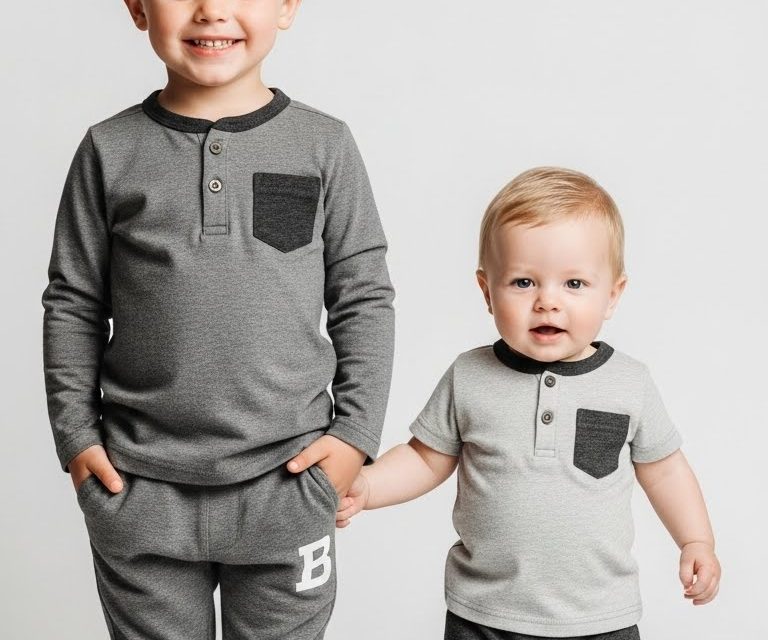
Baby outfits boy 3 months is about finding that perfect balance between comfort and cuteness while keeping diaper changes manageable. Your little guy is growing fast, and dressing him shouldn’t feel like solving a puzzle every morning.
At three months, your baby is more alert, moving more, and probably going through outfit changes faster than you ever imagined. Spit-up happens, blowouts are real, and you need clothes that can handle actual baby life.
Why 3 Months Is a Game-Changer for Baby Fashion
This age is when babies really start filling out and developing their own little personalities. The newborn scrunch is fading, and you’re working with an actual baby body now instead of a tiny fragile newborn.
Three-month-olds are also way more active. They’re kicking, grabbing, and starting to notice their surroundings, which means their clothes need to move with them.
What Makes This Stage Different
Your baby is probably:
- Holding their head up more steadily
- Starting to reach for things (including their own feet)
- Spending more awake time during the day
- Developing a more predictable routine
- Growing out of newborn sizes rapidly
- Becoming more photogenic (if that’s even possible)
Understanding Baby Boy Sizing at 3 Months
Here’s the frustrating truth: 3-month sizing is wildly inconsistent across brands. What fits perfectly in one brand might be huge or tiny in another.
Most babies at this age actually wear 3-6 month sizes because manufacturers assume some growth room. But every baby grows differently, so you’re basically guessing until you try things on.
Size Selection Tips
Weight matters more than age when choosing sizes. A chunky 3-month-old might wear 6-month clothes, while a smaller baby rocks 0-3 month sizes just fine.
Look at these general guidelines:
- 0-3 months: 8-12 pounds, 21-24 inches
- 3-6 months: 12-16 pounds, 24-27 inches
- Check individual brand size charts (they vary wildly)
- When in doubt, size up for longevity
- Stretchy fabrics are your friend
Essential Baby Boy Outfits for Daily Wear
Building a functional wardrobe for your 3-month-old doesn’t require buying out the entire baby department. You need versatile pieces that work together and survive multiple washes per week.
Think about your actual daily life. How often do you leave the house? What’s the weather like? Does your baby spit up constantly or are you one of the lucky ones?
The Core Wardrobe Pieces
Bodysuits (Onesies) form the foundation of every baby boy outfit. Get at least 7-10 in solid colors so you can mix and match easily.
Short-sleeve and long-sleeve options give you flexibility:
- Short-sleeve: 5-6 for layering or warm weather
- Long-sleeve: 4-5 for cooler days or standalone wear
- Kimono-style: 2-3 for sensitive skin (no overhead pulling)
- Envelope neck: Must-have feature for messy situations
Rompers and coveralls make getting dressed stupidly easy. One piece, done, and your baby looks put-together without any effort.
Choose styles with:
- Snap closures at the crotch (diaper access is critical)
- Stretchy necklines for easy on-off
- Soft, breathable fabrics like cotton
- Fun prints or solid colors depending on your vibe
Pants and Bottoms
Stretchy pants with elastic waistbands are non-negotiable. Anything with buttons or zippers is just making your life harder than it needs to be.
Your best options include:
- Jogger-style pants with ribbed cuffs
- Simple leggings (yes, for boys too)
- Footed pants for chilly days
- Shorts for warm weather or indoor play
Pajama sets and sleepers deserve their own category because your baby basically lives in them. Two-way zippers are worth every extra penny for midnight diaper changes.
Stock up on:
- Zip-up sleepers: 4-5 for easy nighttime changes
- Footed pajamas: 3-4 for cold nights
- Sleep sacks: 2-3 for safe sleep
- Cotton sleep gowns: 1-2 for easy access
Seasonal Baby Boy Outfit Ideas
Weather dictates everything when dressing a 3-month-old. Babies can’t regulate their body temperature like adults, so layering becomes essential.
The general rule is one more layer than you’re wearing, but that’s honestly just a starting point. You’ll figure out if your baby runs hot or cold pretty quickly.
Spring Baby Outfits (March-May)
Unpredictable weather means layering is your strategy. Mornings might be chilly while afternoons get warm, and you need outfits that adapt.
Try these combinations:
- Long-sleeve bodysuit + lightweight pants + cardigan
- Short-sleeve onesie + overalls + socks
- Romper + kimono jacket for easy layer removal
- Footless pajamas for indoor/outdoor transition
Summer Baby Outfits (June-August)
Keep it light, breathable, and minimal. Cotton is your best friend during hot months because it actually breathes and won’t overheat your baby.
Summer essentials:
- Short-sleeve bodysuits as standalone outfits
- Lightweight rompers in breathable fabrics
- Shorts with snap-on bodysuits
- Sun hats for outdoor time (not technically an outfit but crucial)
- Bare feet or soft sandals when appropriate
Fall Baby Outfits (September-November)
Layering comes back as temperatures drop. This is actually the easiest season because you can add or remove pieces throughout the day.
Fall favorites:
- Long-sleeve bodysuit + pants + vest
- Romper + cardigan + socks
- Footed sleeper as an outfit (don’t judge, it works)
- Light jacket or hoodie for outdoor adventures
Winter Baby Outfits (December-February)
Keeping babies warm without overheating them is the winter challenge. Multiple thin layers work better than one bulky piece, especially for car seat safety.
Winter must-haves:
- Long-sleeve bodysuit + pants + sweater
- Thermal pajamas for extra warmth
- Bundler or coat for outdoor time (removed before car seat)
- Warm socks and mittens
- Hats that actually stay on (good luck)
Special Occasion Baby Boy Outfits
Sometimes you need your little guy to look extra adorable for photos, holidays, or family events. Dressy baby clothes can still be comfortable if you choose wisely.
The key is finding pieces that look special but don’t have scratchy tags, tight collars, or complicated closures. Your baby doesn’t care about the occasion—they just want to be comfortable.
Holiday and Photo Outfits
Themed outfits photograph beautifully but should still function like regular baby clothes. Nobody wants a screaming baby in a cute outfit that’s actually uncomfortable.
Event outfit ideas:
- Suspender sets with bow ties (removable accessories)
- Dressy rompers with special details
- Cardigan sets over simple bodysuits
- Tiny button-up shirts (with snaps, not actual buttons)
- Sweater vests for a polished look
Family Gathering Looks
You want your baby to look nice without being overdressed. Comfort always wins over fancy when you’re dealing with a 3-month-old.
Go for:
- Nice jeans or khakis with polo-style bodysuits
- Cardigans over regular clothes for instant upgrade
- Matching sets in solid colors
- Clean, well-fitting basics in good condition
Practical Features That Actually Matter
Not all baby clothes are created equal. Certain features make life dramatically easier while others just look good on the rack.
After doing laundry 47 times a week, you’ll develop strong opinions about what works and what doesn’t. Trust parents who’ve been there—these details matter.
Closure Types Ranked
Snaps beat buttons every single time. Buttons are cute in theory but annoying in practice, especially during 3am diaper changes.
Closure preferences:
- Two-way zippers (absolute best for diaper access)
- Snap closures (quick and easy)
- Magnetic closures (expensive but genius)
- Envelope shoulders (for messy blowouts)
- Buttons (why do these still exist on baby clothes?)
Fabric Choices
100% cotton remains the gold standard for baby skin. It breathes, washes well, and doesn’t irritate sensitive skin like synthetic fabrics can.
Best fabric options:
- Cotton jersey: Soft, stretchy, everyday wear
- Organic cotton: For sensitive skin or eco-conscious parents
- Cotton muslin: Lightweight and breathable
- French terry: Cozy without being too heavy
- Avoid: Rough textures, scratchy materials, non-breathable synthetics
Neck Styles
Envelope necklines stretch both ways for removing soiled onesies down instead of over baby’s head. This feature alone prevents so many messy situations.
Neck options:
- Envelope/lap shoulder: Best for blowout situations
- Crew neck: Classic and comfortable
- Kimono-style: No overhead pulling required
- Avoid: Tight necks, rough seams, decorative collars
Budget-Friendly Baby Boy Shopping
Babies grow insanely fast, so dropping serious money on 3-month clothes feels wasteful. You can absolutely dress your baby well on a budget with some strategic shopping.
The average baby wears each size for maybe 6-8 weeks. Do the math on expensive outfits, and you’ll see why secondhand shopping makes total sense.
Where to Save Money
Basics don’t need to be expensive. Plain bodysuits, simple pants, and everyday rompers work just as well from budget brands.
Money-saving strategies:
- Buy multipacks of basics (usually cheaper per piece)
- Shop end-of-season sales for next year
- Accept hand-me-downs without shame
- Check out consignment stores and thrift shops
- Join local parent swap groups on social media
- Use cashback apps for baby purchases
Where to Invest
Spend on pieces that get daily use and need to hold up through multiple washes. Quality matters when something gets worn constantly.
Worth the investment:
- Sleep sacks for safe sleep (use nightly)
- One nice coat or bundler for winter babies
- Quality pajamas with two-way zippers
- Shoes (when baby starts standing)
- Special outfit for photos (you’ll use it repeatedly)
Shopping Secondhand Smart
Gently used baby clothes are basically new since babies outgrow things so quickly. Many items still have tags or were worn once for photos.
Secondhand shopping tips:
- Check all snaps and zippers work properly
- Look for stains (some don’t wash out)
- Smell for mustiness or smoke
- Check elastic for wear
- Avoid items with loose buttons or damaged seams
- Wash everything before wearing
Creating a Baby Boy Capsule Wardrobe
A capsule wardrobe approach means fewer pieces that all work together. This makes getting dressed easier and laundry more manageable.
You don’t need 40 outfits for a 3-month-old. You need maybe 15-20 versatile pieces that mix and match.
The Minimalist 3-Month Wardrobe
Start with these essentials:
- 7-8 bodysuits (mix of short and long sleeve)
- 5-6 pants/leggings
- 3-4 rompers or coveralls
- 2-3 cardigans or light jackets
- 5-6 sleepers/pajamas
- 1-2 special outfits
- Plenty of socks (they disappear mysteriously)
Color Coordination Strategy
Stick to a simple color palette so everything coordinates without thinking too hard about it.
Easy color schemes:
- Neutrals: Gray, white, navy, tan (goes with everything)
- Earth tones: Olive, rust, cream, brown
- Blues: Navy, light blue, teal, denim
- Mix and match: Any two colors from same family
Laundry and Care Tips
With a 3-month-old, you’re doing laundry constantly. Baby clothes need special care to stay soft and stain-free.
Pre-treating stains immediately makes a huge difference. The longer they sit, the harder they are to remove.
Washing Best Practices
Use fragrance-free, dye-free detergent designed for babies. Regular detergent can irritate sensitive skin and cause rashes.
Laundry guidelines:
- Wash before first wear (removes manufacturing chemicals)
- Pre-treat formula and food stains immediately
- Use cold or warm water (hot water sets stains)
- Skip fabric softener (reduces absorbency and can irritate skin)
- Dry on low heat or line dry to prevent shrinking
- Check for stains before drying (heat sets them permanently)
Stain Removal Hacks
Most baby stains come out with the right treatment. Don’t throw away clothes before trying these methods.
Stain solutions:
- Poop: Rinse immediately, spray with enzyme cleaner
- Formula: Soak in cold water, treat with dish soap
- Spit-up: Rinse quickly, use baking soda paste
- Sunlight: Natural bleaching for white clothes
- Oxiclean: Soaking miracle worker for tough stains
Safety Considerations for Baby Clothing
Not all cute clothes are safe clothes. Some design elements pose risks for babies this age.
The AAP has specific guidelines about what babies should and shouldn’t wear. Following these keeps your little one safe.
What to Avoid
Loose strings, buttons, and decorative elements can become choking hazards. Babies grab everything at this age.
Safety concerns:
- Drawstrings (strangulation hazard)
- Small buttons that could detach
- Loose sequins or beads
- Rough seams that irritate skin
- Tight elastic around neck, wrists, or ankles
- Anything that restricts movement
Sleep Safety
Keep sleepwear simple and safe. The safest sleep is in a sleep sack with nothing else in the crib.
Safe sleep clothing:
- Wearable blankets (sleep sacks)
- Fitted one-piece pajamas
- Nothing loose or bulky
- Appropriate TOG rating for room temperature
- No hats, mittens, or socks during sleep (overheating risk)
Organization and Storage
Keeping baby clothes organized saves your sanity when you’re sleep-deprived and need to dress your baby quickly.
A good organization system means you can find what you need without digging through piles of tiny clothes.
Closet Organization Ideas
Divide by type and size for easy access. As baby grows, rotate out too-small items immediately.
Organization tips:
- Use drawer dividers for bodysuits, pants, pajamas
- Hang special outfits to prevent wrinkles
- Keep current size easily accessible
- Store next size up separately
- Label bins clearly
- Keep frequently used items at eye level
Outfit Prep Strategy
Prepare outfits the night before when you’re not rushed. Your morning self will thank you.
Make life easier:
- Pre-match complete outfits
- Keep 2-3 backup outfits in diaper bag
- Stage pajamas in nursery for quick changes
- Prep week’s worth of sleep sacks
- Keep emergency outfit in car
Dressing for Different Activities
Your 3-month-old’s outfit needs change depending on what you’re doing that day. Indoor play requires different clothes than outdoor adventures.
Matching the outfit to the activity prevents wardrobe malfunctions and keeps baby comfortable.
Doctor Appointments
Easy-access clothing makes checkups less stressful. Doctors need to examine baby, so complicated outfits are annoying.
Best choices:
- Two-piece outfits for easy undressing
- Snap or zip closures (not buttons)
- Socks that come off easily
- Skip the fancy outfit (it’ll just get messy)
Outdoor Adventures
Layer appropriately and protect from elements. Sun, wind, and temperature changes all affect baby’s comfort.
Outdoor essentials:
- Extra layer for changing weather
- Sun hat with chin strap
- Breathable fabrics that wick moisture
- Easy-change bottoms for car diaper changes
- Light jacket or bundler depending on season
Tummy Time and Play
Comfortable, non-restrictive clothing helps baby move freely during development activities. Tight clothes limit their movement.
Play-friendly outfits:
- Stretchy rompers or coveralls
- Soft pants that don’t bunch
- Bodysuits without scratchy tags
- Barefoot or grippy socks (not slippery)
- Nothing with hard decorations on the front
Common Baby Boy Outfit Mistakes
Every parent makes these mistakes initially. Learning what doesn’t work saves money and frustration down the road.
Some things look adorable but function terribly in real life with an actual baby.
What Doesn’t Work
Complicated outfits with multiple pieces sound cute but become annoying fast. Keep it simple.
Avoid these pitfalls:
- Outfits requiring multiple pieces to look complete
- Clothes without diaper access
- Anything that goes over the head without stretch
- Shoes for non-walking babies (waste of money)
- Delicate fabrics that can’t be machine washed
- Outfits in the wrong size “to grow into”
Sizing Issues
Buying the wrong size happens to everyone. Babies grow unpredictably, and brands size inconsistently.
Size mistakes to skip:
- Buying tons of newborn size (they outgrow quickly)
- Stocking only one size at a time
- Forgetting about growth spurts
- Not checking return policies before buying
- Removing tags before trying on
Sustainable and Eco-Friendly Options
Sustainable baby fashion is growing as parents become more environmentally conscious. You can dress your baby well while reducing environmental impact.
The baby clothing industry creates massive waste. Making better choices helps, even if you can’t do everything perfectly.
Choosing Sustainable Brands
Look for organic cotton, ethical manufacturing, and quality construction that lasts through multiple babies.
Eco-friendly features:
- GOTS certified organic cotton
- Non-toxic dyes and finishes
- Fair trade manufacturing
- Durable construction for longevity
- Minimal packaging
- Take-back or recycling programs
Reducing Waste
Buy less, choose quality, and extend lifecycle through multiple children or resale.
Sustainable practices:
- Accept and give hand-me-downs
- Buy secondhand when possible
- Choose neutral colors and styles for reuse
- Repair minor damage instead of discarding
- Donate outgrown clothes in good condition
- Sell or swap items your baby outgrew
Making the Most of Your Baby’s Wardrobe
Strategic planning maximizes what you already own without constant shopping trips. Work smarter, not harder.
You probably have enough clothes already. It’s about using them efficiently.
Mix and Match Strategy
Every piece should work with at least three other pieces in the wardrobe. This multiplies outfit options exponentially.
Mixing guidelines:
- Choose neutral base colors
- Add 2-3 accent colors
- Keep patterns simple and coordinating
- Make bodysuits the foundation
- Use layers to create variety
- Rotate outfits weekly
Growth Management
Track what fits and prepare for next sizes before baby completely outgrows current clothes.
Size transition tips:
- Try on clothes monthly to check fit
- Buy next size before current size is too small
- Keep size-up pieces accessible
- Don’t wait until baby is bursting out of clothes
- Remove too-small items immediately
- Keep one sentimental outfit, donate the rest
Conclusion
Baby outfits boy 3 months doesn’t have to be complicated or expensive. Focus on comfortable, practical pieces that work for your actual life, not Instagram-perfect photos that don’t reflect reality.
Your baby needs clothes that keep them comfortable, allow movement, and survive the chaos of daily baby life. Everything else is just bonus.
Build a simple wardrobe with versatile pieces that mix and match easily. Prioritize comfort, safety, and easy diaper access over everything else.
Shop smart by buying basics affordably and investing in frequently-used items. Accept hand-me-downs, shop secondhand, and don’t feel guilty about skipping trends.
Remember that this stage passes quickly. Those adorable baby outfits boy 3 months will be too small before you know it, so take photos, enjoy the baby snuggles, and don’t stress too much about having the perfect wardrobe.
Frequently Asked Questions
How many outfits does a 3-month-old baby boy need?
Most babies need about 7-8 daytime outfits and 5-6 sleepers at minimum. This allows for multiple changes per day while doing laundry twice weekly. If your baby spits up frequently or you prefer doing laundry less often, having 10-12 complete outfits makes life easier without going overboard.
Should 3-month-old clothes fit perfectly or have room to grow?
Clothes should fit comfortably right now with slight room to grow. Too-big clothes bunch up, create safety hazards, and look sloppy in photos. Too-small clothes restrict movement and become uncomfortable quickly. Babies at this age grow fast, so you’ll likely get 4-8 weeks of wear from properly fitting clothes before sizing up.
What’s the difference between 0-3 month and 3-6 month sizes?
The sizing varies by brand, but generally 0-3 months fits babies 8-12 pounds and 21-24 inches, while 3-6 months fits 12-16 pounds and 24-27 inches. Most 3-month-old babies actually wear 3-6 month sizes because manufacturers build in growth room. Always check individual brand size charts since consistency doesn’t exist across companies.
How do I keep my baby boy comfortable in different weather?
Layer appropriately using the “one more layer than you’re wearing” rule as a starting point. Choose breathable fabrics like cotton, check baby’s neck or back for temperature (not hands or feet), and adjust layers throughout the day. Keep a spare outfit and extra layer in your diaper bag for unexpected weather changes or indoor temperature variations.
Are expensive baby clothes worth it for 3-month-olds?
Expensive clothes are worth it for heavily-used items like quality sleepers with two-way zippers or durable pieces that last through multiple children. For everyday basics and trendy pieces, budget options work just fine since babies outgrow everything quickly. Focus spending on items used daily and save money on clothes worn occasionally.
What fabrics are best for baby boys at 3 months?
100% cotton is ideal for baby skin because it breathes well, washes easily, and rarely causes irritation. Organic cotton works well for sensitive skin or eczema-prone babies. Avoid synthetic fabrics that don’t breathe, scratchy materials, or anything with rough seams. Stretchy cotton blends offer comfort and flexibility for active babies.
How many pajamas does a 3-month-old baby boy need?
Keep 5-6 sleepers in rotation for comfortable nighttime wardrobe management. This allows for one per night with extras for accidents or laundry delays. Two-way zipper sleepers make midnight changes easier, while footed options work well for cold nights. Having variety prevents laundry stress while avoiding unnecessary excess.
When should I size up my baby boy’s clothes?
Size up when current clothes show these signs: snaps strain or don’t close, pants ride above ankles, sleeves don’t cover wrists, onesies pull tight across chest or diaper area, or clothes restrict baby’s movement. Don’t wait until clothes are completely outgrown—transition when baby has about one week of comfortable wear remaining in current size.

